Share Bravely, Safeguard Wisely

Today we explore Learning in Public: Ethical and Privacy Considerations When Sharing Personal Notes, bringing courage and care into the same sentence. We will balance openness with consent, redaction, and security, so your curiosity inspires others without exposing sensitive details, breaching trust, or inviting harm. Share generously, protect compassionately, and build a durable habit that respects people first.

Boundaries Before the Publish Button

Clear lines drawn before you post can turn anxiety into confidence. Treat your notes like drafts that deserve a quick risk check: who might be affected, what could be inferred, and how might this live forever online. Boundaries are not barriers; they are scaffolding that keeps your learning visible without compromising private relationships, professional obligations, or your future self’s safety and serenity.

Mapping Personal, Private, and Public

Sketch a simple map: personal details you’re comfortable owning, private information belonging to others, and truly public knowledge. Many missteps happen when personal crosses into private by accident. Use heuristics like, would I repeat this on stage, could this embarrass someone tomorrow, and does this reveal patterns about location, health, or finances. Protecting ambiguity can be as powerful as sharing clarity.

Intent, Audience, and Minimum Disclosure

Before posting, write your purpose in one sentence and identify the smallest sufficient detail that still communicates your insight. Often, a concept, diagram, or process suffices without including names, timestamps, or screenshots. Design for your intended audience, not the entire internet. When unsure, lower the resolution of information. The discipline of minimum disclosure sharpens ideas while minimizing collateral exposure or regret.

Consent as Conversation, Not Checkbox

Seeking Permission with Dignity

Send a considerate message describing what you’d like to share, why it matters, where it will appear, and how readers might interpret it. Include the quote or artifact verbatim for review. Offer edits, anonymization, or full removal. Acknowledge that saying no is entirely fine. Gratitude builds bridges, defensiveness burns them. When someone helps you share safely, credit their care as part of the learning journey.

Children, Colleagues, and Power Imbalances

When documenting stories involving children, interns, patients, or direct reports, default to non-disclosure and composite examples. Power imbalances complicate consent by introducing pressure and perceived risk. If sharing is essential for teaching, remove identifiers, alter non-essential details, and explain what changed. In professional settings, route approvals through established channels. Protect the vulnerable first, even when educational value feels high and praise seems within reach.

Screenshots, Emails, and Meeting Notes

Private communications carry implicit expectations. Never publish screenshots or excerpts without permission from all senders, even if names are cropped. Email headers, avatars, or unique phrases can still identify people. Summarize ideas in your own words, attribute concepts generically, and store originals securely. When in doubt, ask. If the conversation happened under confidentiality, treat that boundary as part of your craft and credibility.

Redaction, Anonymization, and Context

Good editing protects people while preserving insight. Redaction removes sensitive elements; anonymization alters details so individuals cannot be reasonably re-identified; contextual framing prevents harmful misreadings. Combine these techniques thoughtfully. Remember that uniqueness re-identifies quickly: one unusual job, date, or location can pierce anonymity. Share process, structure, and lessons learned instead of raw traces that bake in risk without adding meaningful value.

Practical Redaction Techniques

Use solid blocks, not blur, because blur can sometimes be reversed. Remove names, locations, unique IDs, and exact timestamps. Crop images generously. Replace numbers with ranges. If data is unnecessary, delete rather than mask. Keep an untouched private copy for your records, but publish the safest minimal slice. Document what you removed and why, so readers understand boundaries and can still follow your reasoning comfortably.

Metadata, EXIF, and Hidden Identifiers

Photos, PDFs, and documents often include coordinates, device models, authors, and revision history. Scrub metadata before publishing using built-in tools or dedicated utilities. Remember that URLs, file names, and commit messages can leak context. Disable location services when capturing materials meant for public learning. Treat every export step as another opportunity to inspect invisible trails that could connect strangers to private worlds unintentionally and irreversibly.

Protecting Context to Prevent Harm

Sometimes the danger is not a name but a narrative frame that invites pile-ons or misinterpretation. Write with generosity toward absent voices. Avoid framing that singles out mistakes by non-public figures. Focus on your decisions, tools, and learning curves. Share constraints so readers avoid blaming individuals. When citing incidents, prefer well-documented, already public sources and broaden lessons beyond a single person’s choices or momentary missteps.

Protecting Sensitive Data Across Tools
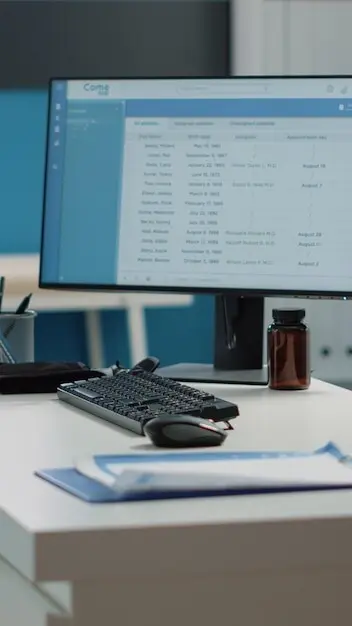
Your learning stack is only as safe as its weakest sync. Notes apps, clouds, and publishing platforms vary in encryption, access controls, and default sharing links. Audit integrations, disable auto-public links, and separate drafting from publishing. Consider end-to-end encryption for raw materials. Use strong passwords and multifactor authentication. Back up privately, publish selectively, and keep a simple checklist that travels with you from idea to release.

Navigating Laws, Policies, and Norms

Compliance is not creativity’s enemy; it is a boundary that keeps your work shareable. Understand policies at your workplace or school, including NDAs and review gates. Respect laws around personal data and health records. Embrace principles like data minimization and purpose limitation. When crossing borders digitally, remember jurisdictions vary. If you need clarity, ask counsel early. Thoughtful governance preserves both your momentum and your relationships.
Quoting small portions to critique or transform can be fair use, but it is context-dependent. Prefer summaries, link to originals, and attribute clearly. When in doubt, seek permission. Avoid reproducing entire works, figures, or paywalled content. Cite publication dates and creators, and distinguish your commentary distinctly. Remember that courtesy often outperforms technical defenses; people support work that treats their contributions with accuracy and genuine respect.
Internal documents, client data, and prototypes are rarely yours to publish. Follow NDAs and institutional review processes. If you study human behavior, consult ethics guidelines and secure approvals. Replace proprietary screenshots with sketches. Generalize sensitive findings into patterns while stripping identifiers. Share your methodology openly so peers can learn without seeing restricted materials. Professional integrity means honoring agreements, even when the internet would reward a spicy reveal.

Community Care and Repair After Mistakes

Even careful people slip. What matters next is speed, sincerity, and learning. Remove harmful content quickly, apologize without excuses, and outline concrete fixes. Ask affected people what they need, then honor it. Publish a brief postmortem when appropriate. Invite your readers to help refine safeguards. Repair is not a spectacle; it is quiet work that transforms an error into a stronger, kinder public practice.
Xaritaritemitavopexirino
Privacy Overview

This website uses cookies so that we can provide you with the best user experience possible. Cookie information is stored in your browser and performs functions such as recognising you when you return to our website and helping our team to understand which sections of the website you find most interesting and useful.